
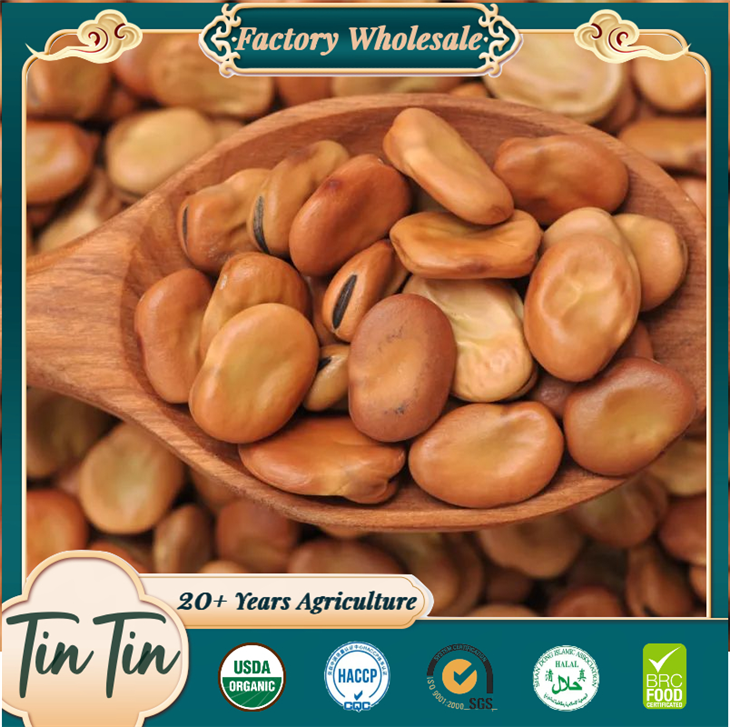

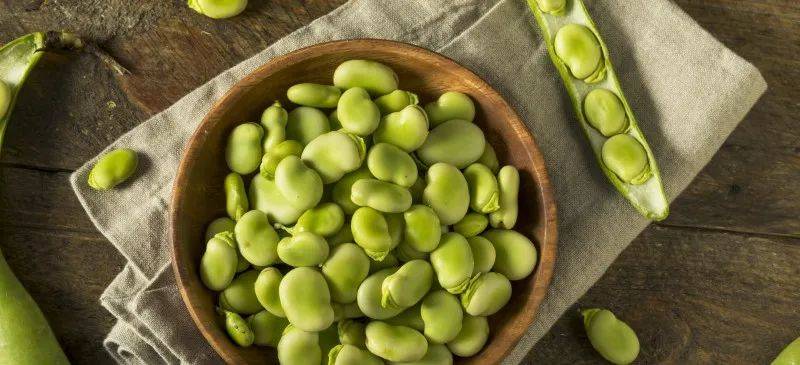
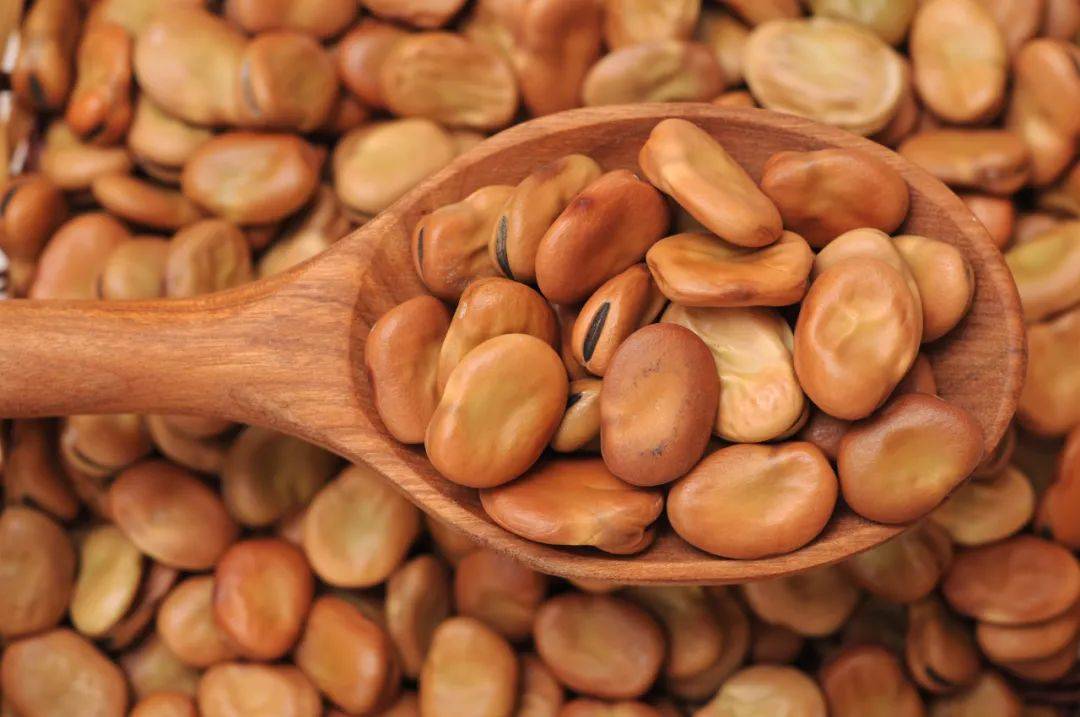
Fava beans were once common foods in the regions of ancient Egyptian, Greek, and Roman civilizations. Later, they gradually spread to Europe, northern India, and China. Fava beans were introduced to China around the 1st century AD. Now, they are widely cultivated in nearly 50 countries around the world, especially in China, Ethiopia, and Morocco. China ranks first in the world in both the planting area and output of fava beans, accounting for approximately one-third.
Fava beans are not only deeply loved in China but also very popular in other countries and regions. Fava beans have always been a popular part of Middle Eastern cuisine and are also very popular in English-speaking regions. Moreover, it seems to have the most names among leguminous plants: the most commonly used English name is fava beans, and there are also various nicknames such as broad beans, faba bean, field bean, bell bean, vicia faba, English bean, horse bean, windsor bean, pigeon bean, and tic bean, etc.
Nutritional Value
Fava beans are a nutritional powerhouse, offering a rich profile of macronutrients, vitamins, and minerals. The following table outlines the nutritional content per 1 cup (170g) of cooked fava beans:
|
Nutrient |
Amount |
% Daily Value (DV) |
|---|---|---|
|
Calories |
187 |
- |
|
Carbohydrates |
33 grams |
- |
|
Fat |
<1 gram |
- |
|
Protein |
13 grams |
~33% |
|
Fiber |
9 grams |
- |
|
Folate |
- |
40% |
|
Manganese |
- |
36% |
|
Copper |
- |
22% |
|
Phosphorus |
- |
21% |
|
Magnesium |
- |
18% |
|
Iron |
- |
14% |
|
Potassium |
- |
13% |
|
Thiamine (B1) |
- |
11% |
|
Zinc |
- |
11% |
Fava beans are an excellent source of plant-based protein, making them ideal for vegetarians and vegans. Their high fiber content supports digestive health, while folate is crucial for DNA synthesis and cell production, particularly for pregnant women to reduce the risk of neural tube defects. Manganese aids in bone health and glucose metabolism, and iron supports energy production and prevents anemia. Fava beans also contain smaller amounts of other B vitamins, calcium, and selenium.
Additionally, fava beans are rich in levodopa (L-dopa), a compound that the body converts to dopamine, which may offer benefits for individuals with Parkinson's disease, though research is limited.


Hot Tags: new season broad fava beans, China new season broad fava beans manufacturers, suppliers, factory, Broad Bean, CHIA, EGYPTIAN PEA, FAVA BEANS, Green Mung Beans, Pulses